
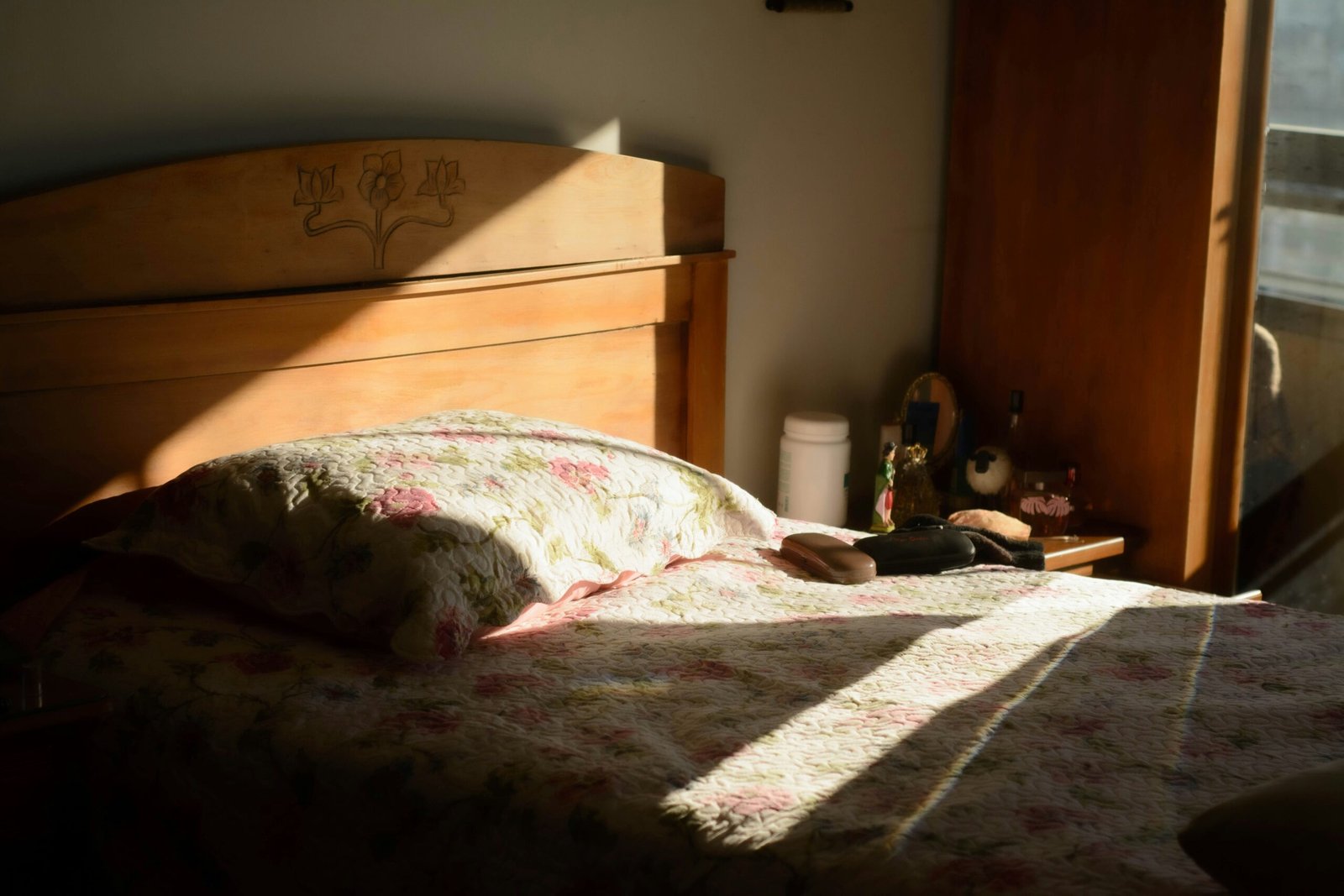
Ever notice how some nights you fall asleep the second your head hits the pillow, and other nights you’re wide awake at midnight scrolling your phone? The difference usually comes down to habits, not luck. A solid sleep hygiene routine can retrain your body to wind down naturally and sleep more soundly, night after night [1]. If your sleep feels unpredictable or unrefreshing, you’re definitely not alone—about 1 in 3 US adults don’t get enough sleep regularly [2]. The good news is that small, consistent changes to your daily habits can make a real difference, often within a few weeks.
What It Is
A sleep hygiene routine is a set of daily habits and environmental choices that support consistent, quality sleep. Think of it like dental hygiene—brushing your teeth once won’t cut it, but doing it daily protects your health over time.
Sleep hygiene covers things like when you go to bed, what you eat and drink before sleep, how much light you’re exposed to, and what your bedroom feels like [1]. It’s not about one magic trick. It’s about stacking small habits that work together.
Here’s why this matters: poor sleep is linked to higher risks of heart disease, obesity, depression, and weakened immune function [2][3]. Good sleep hygiene is one of the simplest, most affordable ways to protect your long-term health, and you don’t need a prescription to start.
Signs Your Sleep Hygiene Needs Work
You might have a sleep hygiene problem if you notice:
- Going to bed at wildly different times each night
- Scrolling your phone or watching TV right up until lights out
- Drinking coffee or soda in the late afternoon or evening
- Feeling groggy most mornings, even after 7-8 hours in bed
- Napping for long stretches during the day
- A bedroom that’s too bright, noisy, or warm for comfortable sleep
- Using your bed for work, eating, or watching shows
If a few of these sound familiar, your daily habits might be working against your sleep instead of for it.

Causes & Risk Factors
Several everyday habits and life factors can chip away at your sleep hygiene:
- Inconsistent bedtimes — sleeping in on weekends and staying up late on weekdays confuses your internal clock, sometimes called “social jet lag” [1]
- Screen exposure at night — blue light from phones and laptops can delay melatonin release, the hormone that signals it’s time to sleep [4]
- Caffeine and nicotine — both are stimulants that can stay in your system for hours, making it harder to relax at night [3]
- Alcohol before bed — while it may make you feel drowsy at first, it disrupts deeper stages of sleep later in the night [3]
- Stress and irregular routines — shift work, travel, and high stress levels all interfere with your body’s natural sleep-wake cycle [1]
- Poor bedroom environment — too much light, noise, or an uncomfortable temperature can prevent your body from settling down
- Lack of daytime activity — sitting most of the day, with little natural light exposure, can weaken your circadian signals [1]
Age also plays a role. Older adults often experience lighter, more fragmented sleep, which makes good sleep hygiene even more important [2].
Diagnosis & Tests
Sleep hygiene issues usually don’t require formal testing, but if poor sleep is affecting your daily life, it’s worth mentioning to your primary care physician.
Here’s what a typical conversation might look like:
- Sleep history discussion — your doctor will ask about your bedtime routine, caffeine and alcohol use, and stress levels
- Sleep diary tracking — you may be asked to log your sleep and wake times for one to two weeks
- Screening for underlying conditions — your doctor may check for sleep apnea, anxiety, or thyroid problems that can masquerade as “just bad sleep habits”
- Referral if needed — if a sleep disorder is suspected, you might be referred to a sleep specialist for further evaluation, sometimes including an overnight sleep study [5]
Getting this checked out isn’t overkill. Sometimes what feels like a habit problem is actually a treatable medical condition.
Treatment & Management
The best part about building a sleep hygiene routine is that most of it is within your control. Let’s break it down into what actually helps.
Daily habits that improve sleep hygiene:
- Set a fixed wake-up time, even on weekends—this is often more powerful than a fixed bedtime for regulating your internal clock [1]
- Get natural light exposure in the morning, ideally within an hour of waking, to help set your circadian rhythm [1]
- Cut off caffeine by early afternoon, since it can linger in your system for 6 hours or more [3]
- Limit alcohol close to bedtime, since it fragments deep sleep even if it helps you fall asleep faster [3]
- Create a wind-down routine 30-60 minutes before bed—reading, stretching, or a warm shower all work well
- Keep your bedroom cool, dark, and quiet, ideally around 65°F [2]
- Reserve your bed for sleep only, not work, scrolling, or watching TV
- Avoid heavy meals within 2-3 hours of bedtime, since digestion can interfere with settling down
Medications and therapies (used cautiously):
- Melatonin supplements — may help some people, especially with jet lag or irregular schedules, though effects vary from person to person [6]
- Cognitive Behavioral Therapy for Insomnia (CBT-I) — considered the gold-standard treatment for chronic sleep problems, often more effective long-term than sleep medications [5]
- Prescription sleep aids — sometimes used short-term under medical supervision, but they’re not usually recommended as a first-line, long-term solution [5]
Most people notice improvement within 2 to 4 weeks of consistent habit changes. Sleep hygiene isn’t a quick fix—it’s more like physical therapy for your sleep-wake system. Progress builds gradually.
Safety note: always talk to your primary care physician before starting any new supplement, especially if you take other medications or have existing health conditions.
Prevention & Self-Care
Building a sustainable sleep hygiene routine works best when you take it step by step:
- Pick a wake-up time and stick to it every day, including weekends
- Get 10-15 minutes of sunlight shortly after waking
- Move your body during the day—even a walk counts toward better sleep quality [2]
- Set a caffeine cutoff time, typically early-to-mid afternoon
- Start a wind-down ritual an hour before bed—dim the lights, put devices away, and do something calming
- Keep your bedroom sleep-only, cool, and dark
- If you can’t fall asleep within 20 minutes, get up and do something quiet in low light, then return to bed when sleepy
These habits work best as a package, not one-off fixes. Think of it less like a diet and more like a lifestyle shift you’re building brick by brick.

When to See a Doctor
Talk to your primary care physician if:
- Poor sleep continues most nights for a month or longer despite good sleep hygiene
- You feel excessively sleepy during the day even with adequate time in bed
- You snore loudly, gasp, or stop breathing during sleep (possible signs of sleep apnea)
- Sleep problems are affecting your mood, memory, or work performance
- You’re relying on alcohol or over-the-counter sleep aids regularly to fall asleep
When to Seek Urgent Help
Sleep hygiene issues themselves are rarely emergencies, but some related symptoms need immediate attention. Call 911 or go to the nearest emergency room if you experience:
- Chest pain, irregular heartbeat, or severe shortness of breath during sleep
- Sudden, unexplained confusion or extreme difficulty waking up
- Thoughts of self-harm related to exhaustion or sleep deprivation
If you or someone you know is having thoughts of suicide, call or text 988 (Suicide & Crisis Lifeline), available 24/7.
Key Takeaways
- Consistency beats intensity — a fixed wake-up time matters more than any single sleep hack
- Morning light sets your clock — natural sunlight early in the day supports better sleep at night
- Caffeine and alcohol timing matters — both can quietly sabotage your sleep hours after you consume them
- Your bedroom environment counts — cool, dark, and quiet spaces support deeper rest
- CBT-I works for chronic issues — it’s often more effective long-term than sleep medication
- Give it time — most sleep hygiene routines take 2-4 weeks of consistency to show real results
FAQs
How long does it take for a sleep hygiene routine to work?
Most people notice improvements within 2 to 4 weeks of consistent habits [1]. Sleep changes gradually, so patience and consistency matter more than perfection.
Can naps ruin my sleep hygiene?
Long or late-afternoon naps can make it harder to fall asleep at night [3]. If you nap, try keeping it under 20-30 minutes and earlier in the day.
Is it bad to use my phone in bed?
Screen use before bed can delay melatonin release and keep your brain alert, making it harder to wind down [4]. Try switching to a book or calming activity instead, especially in the last 30-60 minutes before sleep.
Does exercise really help sleep hygiene?
Yes, regular physical activity is linked to improved sleep quality and easier sleep onset [2]. Just try to finish vigorous workouts a few hours before bedtime, since exercising too close to sleep can be stimulating for some people.
What temperature is best for sleeping?
Most sleep experts recommend keeping your bedroom around 65°F for optimal sleep [2]. Everyone’s comfort level varies slightly, so feel free to adjust within a few degrees.
References
- Centers for Disease Control and Prevention. “Tips for Better Sleep.” https://www.cdc.gov/sleep/about_sleep/sleep_hygiene.html
- National Heart, Lung, and Blood Institute (NIH). “How Much Sleep Is Enough?” https://www.nhlbi.nih.gov/health/sleep/how-much-sleep
- National Institute on Alcohol Abuse and Alcoholism (NIH). “Alcohol and Sleep.” https://www.niaaa.nih.gov/alcohols-effects-health/alcohols-effects-body
- National Institute of Neurological Disorders and Stroke (NIH). “Brain Basics: Understanding Sleep.” https://www.ninds.nih.gov/health-information/public-education/brain-basics/brain-basics-understanding-sleep
- Mayo Clinic. “Insomnia: Diagnosis and Treatment.” https://www.mayoclinic.org/diseases-conditions/insomnia/diagnosis-treatment/drc-20355173
- National Center for Complementary and Integrative Health (NCCIH). “Sleep Disorders: In Depth.” https://www.nccih.nih.gov/health/sleep-disorders-in-depth
This article is for educational purposes only and is not medical advice. For personal care, talk to your primary care physician. Call 911 for emergencies.