
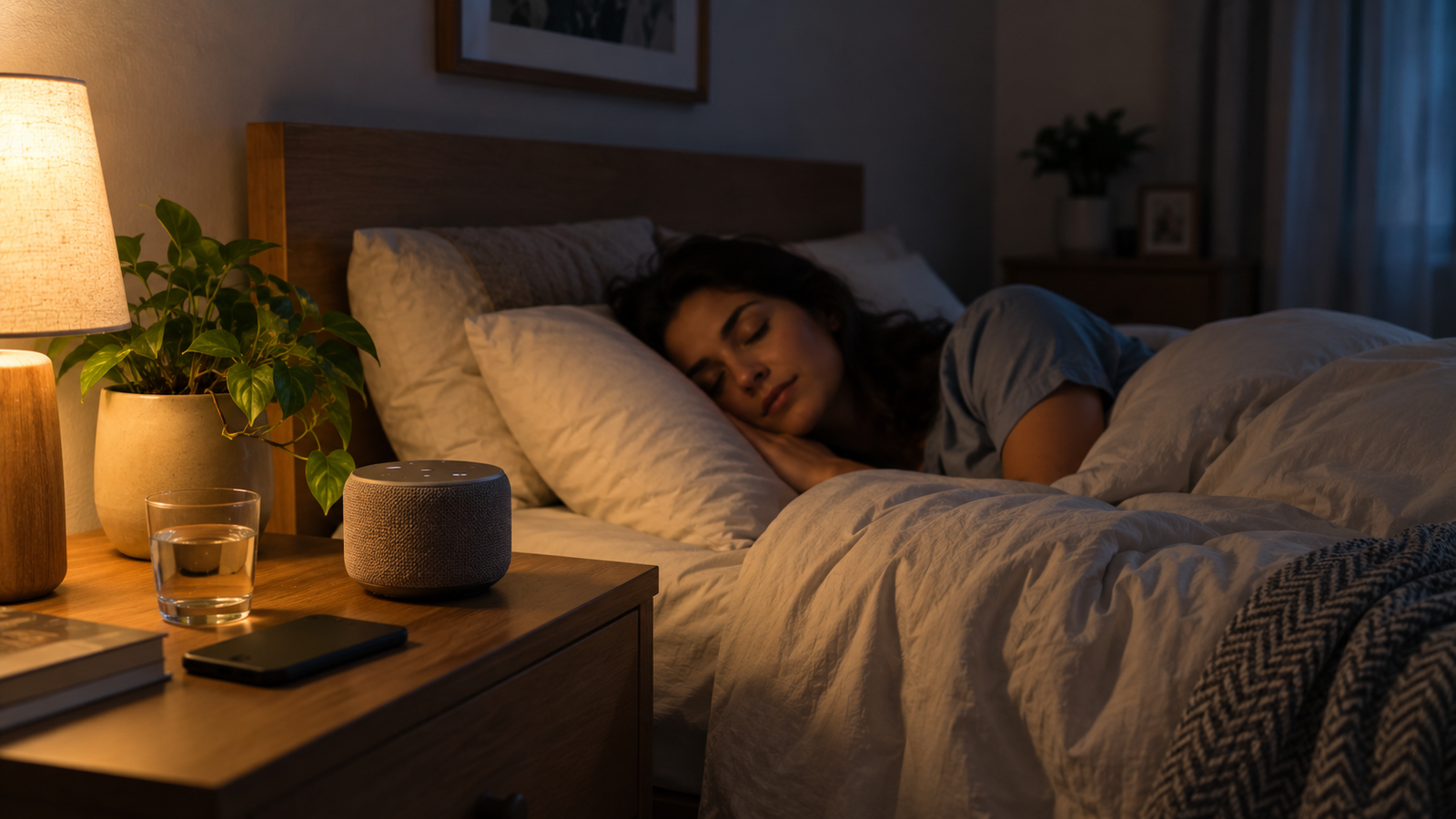
You did everything right. Lights out at a reasonable hour, a full eight hours logged, alarm going off right on schedule — and yet you’re dragging by 10 a.m. like you barely slept at all.
If you’re tired after sleeping 8 hours, you’re dealing with a genuinely confusing problem, because the math should work. This guide walks through why it sometimes doesn’t, from sleep interruptions you don’t even remember to habits worth adjusting and signs that call for a doctor’s visit.
Quick Answer: Eight hours in bed doesn’t guarantee eight hours of restorative sleep — quality, timing, interruptions, and underlying health factors all play a role too.
Key Takeaways
- Time in bed and time actually asleep are two different things, and the gap matters more than people realize.
- Snoring, gasping, or breathing pauses are worth mentioning to a doctor, even if you feel “fine” otherwise.
- Stress, alcohol, and irregular schedules can quietly reduce how restorative your sleep feels.
- A one-week tracking habit often reveals patterns faster than guessing.
- Tiredness lasting two or more weeks deserves a conversation with your primary care physician.
Why Do I Still Feel Tired?
Feeling tired after sleeping 8 hours usually comes down to one thing: what happened during those eight hours matters as much as the number itself. Interrupted sleep, snoring or breathing issues, stress, poor timing, certain medications, and underlying health conditions can all leave you feeling unrested even after a seemingly full night [1].
Important: Most adults need at least seven hours of sleep, but eight isn’t a magic number that guarantees feeling rested — individual needs and sleep quality both matter [8].
Sleep Duration Is Not the Same as Sleep Quality
Here’s a scenario that plays out constantly: someone spends eight hours in bed but actually falls asleep 40 minutes in, wakes briefly three or four times overnight without remembering it, and wakes up 20 minutes before the alarm. That’s technically “eight hours in bed,” but nowhere close to eight hours of continuous sleep.
Time in bed versus actual sleep. These brief awakenings add up. Even short interruptions can fragment the night in ways that leave you groggy despite a full night’s rest logged on paper.
Why repeated disruptions matter. Frequent interruptions may reduce the time your body spends in the deeper stages of sleep that help you feel refreshed, according to MedlinePlus [2].
Sleep stages aren’t a score to chase. If you use a wearable device, resist the urge to obsess over its “deep sleep” percentage. Consumer trackers estimate sleep stages using movement and heart rate — they can’t diagnose why you’re tired, and chasing a perfect number can actually add stress that makes sleep worse.
Common Reasons You May Wake Up Tired
A few patterns show up again and again when people investigate this problem.
Repeated nighttime waking. Noise, light, an uncomfortable room temperature, pain, a restless pet, reflux, or bathroom trips can all interrupt sleep without you fully waking up enough to notice the next morning. If this sounds familiar, how to fall back asleep after waking up covers a few practical approaches.
Trouble falling asleep. If it regularly takes you 30–45 minutes to drift off, you’re quietly losing real sleep time even if your total hours in bed look fine. How to fall asleep more easily walks through some options worth trying.
Loud snoring, gasping, or breathing pauses. This one deserves real attention. According to the National Heart, Lung, and Blood Institute (NHLBI), loud snoring, gasping, choking, and breathing that stops and restarts during sleep are common symptoms of sleep apnea — a condition where breathing repeatedly stops and starts during the night [3]. A partner or roommate often notices this before the person sleeping does.
Did You Know? Sleep apnea can cause repeated nighttime awakenings a person doesn’t consciously remember, leaving them tired the next day despite what felt like a full night’s sleep [1].
If loud snoring or gasping sounds familiar, loud snoring and sleep apnea warning signs is worth reading, and at-home sleep apnea testing explains what a clinical evaluation might involve.
An uncomfortable bedroom. Heat, noise, or too much light can quietly disrupt sleep continuity even when you don’t wake up enough to remember it. A few adjustments to your sleep-friendly bedroom environment can go a long way.
Stress, Sleep Timing, and Daily Habits
Stress and a racing mind. Stress can make it harder to fall asleep, increase how often you wake, and make the sleep you do get feel less restorative overall. Ironically, worrying about “getting perfect sleep” often backfires by keeping your mind more alert at bedtime. A short wind-down routine — quiet reading, gentle stretching, a warm shower, or slow breathing — can help signal that it’s time to relax. If racing thoughts at night are a recurring issue, stress and nighttime anxiety covers this in more depth.
Sleep timing and your body clock. Late weekends, shift work, travel, and inconsistent wake times can all throw things off. Even a full eight hours can feel less refreshing if it happens at the “wrong” time for your body’s internal clock. If your schedule has drifted, how to reset your sleep schedule offers a gradual approach. People working overnight or rotating shifts face a related but distinct challenge — see night shift sleep schedule for schedule-specific tips.
Alcohol, caffeine, and evening habits. Alcohol might make you drowsy at first, but it tends to fragment sleep later in the night. Caffeine sensitivity varies quite a bit — if it’s affecting you, try moving your last cup earlier and watch what happens. Large meals close to bedtime can also cause discomfort or reflux for some people. Skip the idea that supplements like melatonin or “sleep gummies” are a guaranteed fix — evidence is limited, and they don’t address most of the causes covered here.
Why Sleeping Too Long Can Also Leave You Tired
It seems backwards, but more sleep isn’t always better. Cleveland Clinic notes that sleeping more than nine hours regularly can leave some people feeling less energetic rather than more [1].
That said, don’t read too much into one long weekend sleep-in after a rough week — that’s different from a consistent pattern of sleeping unusually long hours and still waking up exhausted. If the long-sleep pattern is new or persistent, it’s worth mentioning to a doctor rather than trying to self-diagnose the cause.
Medication and Health Conditions to Discuss
Medication effects. Some medications can cause drowsiness or fatigue as a side effect — this can include certain allergy medicines, pain medications, blood pressure medications, and some mental health medications. If a new medication lines up with when the tiredness started, that’s worth bringing up with a pharmacist or your prescribing clinician. Don’t stop or adjust a prescribed medication on your own.
Underlying health conditions. Persistent tiredness can show up with a wide range of conditions, including anemia, thyroid disorders, diabetes, infections, chronic pain, and mood disorders, among others [5][7]. This isn’t a checklist for self-diagnosis — it’s simply a reason why tiredness that doesn’t improve deserves a real evaluation rather than another round of home remedies.
A 7-Day Tiredness Check-In
Tracking a few details for one week often reveals patterns faster than guessing ever will.
| What to Track | Why It Helps |
|---|---|
| Bedtime and wake time | Shows how consistent your schedule really is |
| Estimated time actually asleep | Separates time in bed from time asleep |
| Nighttime waking | Flags interruption patterns |
| Snoring, gasping, or choking | Identifies symptoms worth discussing |
| Caffeine and alcohol timing | Reveals personal triggers |
| Meals and reflux symptoms | May explain nighttime discomfort |
| Room temperature, light, noise | Flags environmental issues |
| Stress level | Shows whether anxiety is playing a role |
| Medication changes | Prepares you for a pharmacist conversation |
| Daytime tiredness | Shows whether symptoms affect safety |
Use this for a week, not as a nightly obsession — the goal is spotting patterns, not perfect data.
Practical Steps to Try First
A few adjustments tend to help the most people, in roughly this order of easiest to try:
- Keep a consistent wake time, even on weekends.
- Make your bedroom more comfortable — check temperature, light, and noise.
- Get daylight and movement during the day to support your body clock.
- Move caffeine earlier if it seems to affect your sleep.
- Skip alcohol as a sleep aid — it tends to backfire later in the night.
- Use a calming pre-bed routine you can repeat most nights.
- Avoid clock-watching if you wake up during the night.
- Don’t add several supplements at once — it makes it harder to know what’s actually helping.
These steps may improve sleep quality, but they don’t replace medical evaluation when tiredness is persistent or severe.
When to See a Doctor
Talk to your primary care physician if tiredness:
- Continues for two or more weeks despite adequate rest and healthy routines
- Is getting worse or making everyday tasks difficult
- Comes with loud snoring, gasping, choking, or observed breathing pauses
- Involves severe daytime sleepiness, including drowsy driving
- Occurs with fever, night sweats, unexplained weight loss, or swollen glands
- Started after a medication change
- Comes with frequent headaches, persistent pain, reflux, or ongoing anxiety or low mood
- Involves excessive thirst, frequent urination, or blurred vision
When to Seek Urgent Help (Call 911)
Call 911 or seek emergency care right away if tiredness occurs along with:
- Chest pain
- Shortness of breath
- A fast, irregular, or pounding heartbeat
- Fainting or near-fainting
- Sudden confusion
- A severe headache unlike any before
- New weakness, facial drooping, trouble speaking, or vision changes
- Severe abdominal, pelvic, or back pain
- Unusual bleeding
Mayo Clinic lists these symptoms, alongside fatigue, as reasons to seek urgent evaluation rather than waiting [6]. If you’re having thoughts of self-harm or suicide, call or text 988 to reach the 988 Suicide & Crisis Lifeline — support is available 24/7.
Summary
- Quality and timing matter as much as hours — eight hours isn’t automatically restorative for everyone.
- Track your patterns for a week before making big changes all at once.
- Loud snoring or breathing pauses are worth a real conversation with a doctor, not something to brush off.
- Persistent or worsening tiredness — especially past two weeks — calls for medical evaluation, not more home remedies.
- Certain symptoms alongside tiredness (chest pain, confusion, severe headache) need urgent care right away.
FAQs
Why do I wake up tired after a full night’s sleep?
It’s often related to sleep quality rather than sleep length — interrupted sleep, snoring, stress, or an irregular schedule can all leave you feeling unrested even after eight hours logged [1][2].
Can sleep apnea make you tired after 8 hours?
Yes. Sleep apnea causes repeated breathing pauses that briefly wake the brain, often without the person remembering it, which can leave them exhausted the next day [3][4].
Can anxiety make you tired after sleeping?
Yes, ongoing stress and anxiety can make it harder to fall and stay asleep, and can make the sleep you do get feel less restorative overall.
Does alcohol affect sleep quality?
It can. Alcohol may cause drowsiness early on but tends to fragment sleep and reduce its quality later in the night.
Can medication make me tired even after sleep?
Some medications list drowsiness or fatigue as a side effect. If tiredness started after a new prescription, mention it to your pharmacist or prescribing clinician rather than adjusting the dose yourself.
When should tiredness after sleep be checked by a doctor?
See a doctor if tiredness lasts two or more weeks, worsens, or comes with symptoms like loud snoring, breathing pauses, severe daytime sleepiness, or unexplained weight changes.
References
- Cleveland Clinic: Why You Wake Up Tired After 8 Hours of Sleep
- MedlinePlus: Sleep Disorders
- NHLBI: Sleep Apnea Symptoms
- NHLBI: What Is Sleep Apnea?
- Mayo Clinic: Fatigue — Causes
- Mayo Clinic: Fatigue — When to See a Doctor
- MedlinePlus: Fatigue
- CDC: About Sleep
- AASM: Sleep Apnea Warning Signs
- NCCIH: Relaxation Techniques
Educational Disclaimer
This article provides general information about tiredness after sleep and does not diagnose or treat sleep apnea, insomnia, anemia, thyroid disorders, diabetes, depression, anxiety, medication side effects, or any other health condition. Speak with a qualified healthcare professional if tiredness is persistent, worsening, affects daily functioning, or occurs with loud snoring, breathing pauses, severe daytime sleepiness, chest pain, or shortness of breath. Call 911 for emergencies, or call/text 988 for a mental health crisis.