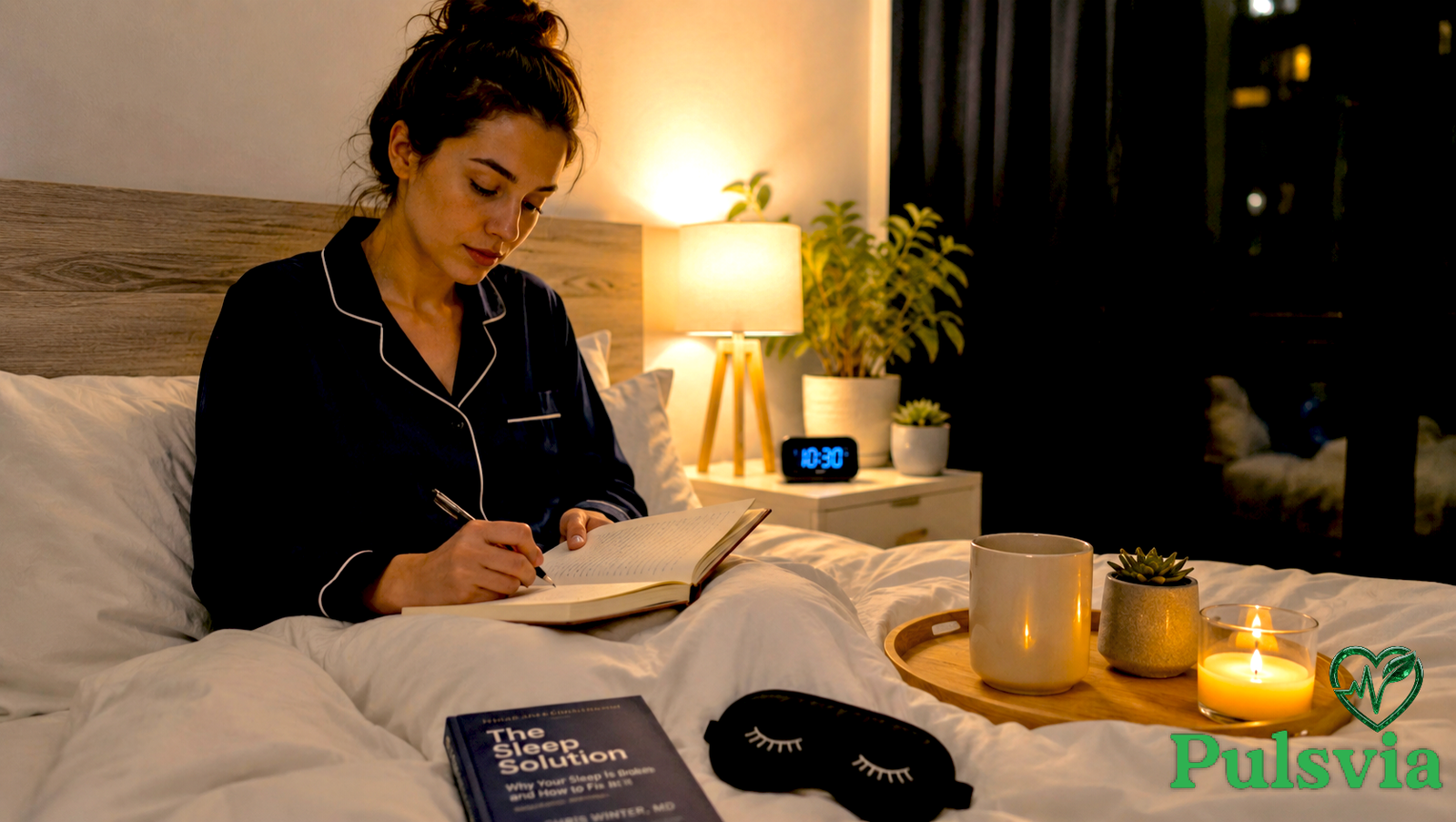
If you’ve scrolled TikTok lately, you’ve probably seen someone taping their mouth shut, chugging a “sleepy girl mocktail,” or wearing blue-light-blocking glasses at 8 p.m. This trend, known as sleepmaxxing, is all about optimizing every part of your sleep routine. Some hacks have real science behind them. Others? Not so much. Let’s sort out what’s actually worth trying.
Key Takeaways
- Basic sleep habits still matter most — consistent bedtimes and good sleep hygiene outperform most trendy hacks [1].
- Some popular hacks lack strong evidence, including mouth taping and certain supplement combinations.
- Magnesium and melatonin have some research support, but they’re not magic fixes and aren’t right for everyone [2][3].
- A few hacks carry real risks, especially for people with undiagnosed sleep apnea.
- Talk to your primary care physician before trying new supplements or unusual sleep techniques.
What It Is
Sleepmaxxing is a social media-driven trend where people try multiple products, supplements, and techniques at once to try to improve sleep quality as much as possible. It combines legitimate sleep hygiene practices with newer, less-tested hacks, often without much distinction between the two.
Here’s why this matters: not every viral sleep hack has solid research behind it, and some can even backfire. Knowing which ones have evidence—and which ones don’t—can save you time, money, and unnecessary risk.
How Sleepmaxxing Shows Up
People engaging in sleepmaxxing often:
- Try several new sleep products or supplements at the same time
- Use tools like mouth tape, weighted blankets, or blue-light glasses
- Track sleep obsessively using wearable devices or apps
- Follow strict bedtime rituals borrowed from social media routines
- Combine multiple supplements like magnesium, melatonin, and herbal teas
- Spend significant money on sleep gadgets and specialty products
None of this is inherently bad. The concern comes in when people skip the basics or use potentially risky techniques without medical guidance.
Why People Try This
The rise of sleepmaxxing makes sense when you consider a few things:
- Widespread sleep struggles — a large share of US adults report not getting enough quality sleep regularly [1]
- Social media influence — sleep hacks spread quickly through short videos promising fast results
- Desire for control — trying multiple things at once can feel more proactive than waiting for gradual improvement
- Product marketing — the sleep wellness industry has grown rapidly, with more products marketed directly to consumers
- Frustration with slow progress — basic sleep hygiene changes take weeks to show results, which can feel discouraging compared to a “quick fix” hack
How Experts Evaluate These Hacks
Sleep researchers and clinicians typically judge a sleep hack by asking:
- Is there clinical research behind it? Peer-reviewed studies carry more weight than anecdotal claims.
- What’s the safety profile? Some techniques, like mouth taping, haven’t been well-studied for safety in the general population.
- Does it address an underlying cause? Hacks that mask symptoms without solving root problems (like undiagnosed sleep apnea) can delay proper care.
- Who was studied? Results from a small study on a specific group may not apply broadly.
If you’re unsure whether a specific hack is worth trying, your primary care physician can help you weigh the evidence and any personal risk factors.
Tip: A good rule of thumb—if a sleep hack sounds like it replaces a medical evaluation, that’s a red flag rather than a shortcut.
Treatment & Management
Let’s break sleepmaxxing hacks into three categories: what has some support, what’s unproven, and what carries real risk.
Quick Wins: Start With the Basics
- Keep a consistent wake-up time, even on weekends
- Get morning sunlight exposure within an hour of waking
- Limit caffeine after early afternoon
- Keep your bedroom cool and dark
- Avoid screens 30-60 minutes before bed
These fundamentals are backed by consistent research and cost nothing to try [1].
Hacks With Some Evidence
Melatonin supplements
Melatonin is a hormone your body naturally produces to help regulate sleep-wake timing. Low-dose supplements may help with jet lag or shift work-related sleep issues, though results vary by person [2].
Important: Melatonin isn’t tightly regulated by the FDA the same way medications are, so dosages can vary between products. People who are pregnant, breastfeeding, or taking blood thinners should talk to a clinician before use [2].
Magnesium
Some research suggests magnesium may support relaxation and sleep quality, though study results are mixed and more research is needed [3]. People with kidney disease should be cautious, since magnesium is processed by the kidneys.
Weighted blankets
Some people report feeling calmer using a weighted blanket, though the overall evidence for improved sleep quality is still limited. They’re generally considered safe for most adults, but not recommended for young children or people with certain respiratory conditions without medical guidance.
Hacks With Limited or Mixed Evidence
| Hack | What It Claims | Evidence Level |
|---|---|---|
| Mouth taping | Encourages nasal breathing overnight | Evidence is limited; not well-studied for safety |
| Blue-light blocking glasses | Reduces screen-related sleep disruption | Mixed; screen dimming/avoidance may work as well |
| “Sleepy girl mocktail” (tart cherry juice + magnesium) | Combines natural sleep aids | Evidence is limited on the combination specifically |
| Sleep tracking wearables | Monitors sleep stages and quality | Useful for awareness, but accuracy varies by device |
Warning: Mouth taping is not recommended for people with sleep apnea, nasal congestion, or breathing difficulties. If you snore heavily or gasp during sleep, talk to your primary care physician before trying this or any airway-related hack.
Hacks That Carry More Risk
- Extremely restrictive supplement stacking — combining multiple sleep supplements without medical guidance increases the risk of interactions
- Ice baths or extreme cold exposure before bed — not well-studied for sleep specifically and carries its own safety considerations
- Skipping medical evaluation in favor of hacks — using trendy techniques to avoid addressing a suspected sleep disorder can delay proper diagnosis and treatment
Free Resource Idea: Consider keeping a simple log of any new sleep hack you try, including how you slept before and after, so you can track what’s actually working for you personally.
Prevention & Self-Care
If you want to explore sleepmaxxing safely, try this approach:
- Master the basics first — consistent schedule, dark cool room, limited late caffeine
- Introduce one new hack at a time, so you can tell what’s actually helping
- Research the evidence behind any product before buying it
- Check with your primary care physician before adding supplements, especially if you take other medications
- Avoid techniques that affect breathing (like mouth taping) without medical clearance
- Set a budget — many trending sleep products are expensive with limited proven benefit
When to See a Doctor
Talk to your primary care physician if:
- You’ve tried multiple sleep hacks with little to no improvement
- You suspect an underlying sleep disorder, like sleep apnea or restless legs syndrome
- You’re considering combining multiple supplements
- Poor sleep is affecting your mood, focus, or daily life
- You snore loudly, gasp, or stop breathing during sleep
When to Seek Urgent Help
Sleepmaxxing hacks themselves are rarely emergencies, but certain symptoms need immediate attention. Call 911 or go to the nearest emergency room if you experience:
- Chest pain, irregular heartbeat, or severe shortness of breath
- Sudden confusion or extreme difficulty waking someone up
- Thoughts of self-harm related to exhaustion or sleep deprivation
If you or someone you know is having thoughts of suicide, call or text 988 (Suicide & Crisis Lifeline), available 24/7.
Summary
- Stick with proven basics first — consistent sleep schedules and good sleep hygiene outperform most trending hacks
- Research before you buy — not every viral sleep product has science behind it
- Some hacks carry real risk — mouth taping and supplement stacking deserve extra caution
- One change at a time works better — this helps you figure out what’s actually helping your sleep
- Loop in your doctor — especially before trying supplements or if you suspect a sleep disorder
Is mouth taping safe for sleep?
Evidence is limited on both the benefits and safety of mouth taping for the general population. It’s not recommended for people with sleep apnea, congestion, or other breathing issues without medical guidance.
Does melatonin actually help you sleep faster?
Melatonin may help some people, especially with jet lag or shift work schedules, though results vary from person to person [2]. It’s best to start with the lowest effective dose and talk to your primary care physician about proper use.
Are weighted blankets worth trying?
Some people find weighted blankets calming, and they’re generally considered safe for most healthy adults. Evidence on how much they improve overall sleep quality is still limited.
What’s the most effective sleepmaxxing hack?
The most reliably effective changes are the basic sleep hygiene habits—consistent bedtimes, a dark cool room, and limiting late caffeine [1]. These fundamentals tend to outperform trendier, less-studied hacks.
Can sleep tracking devices actually improve my sleep?
Sleep trackers can help you notice patterns, but their accuracy varies by device, and some people find that obsessing over the data actually increases stress around sleep. Use them as a general guide rather than an exact measurement.
References
- Centers for Disease Control and Prevention. “Tips for Better Sleep.” https://www.cdc.gov/sleep/about_sleep/sleep_hygiene.html
- National Center for Complementary and Integrative Health (NIH). “Melatonin: What You Need To Know.” https://www.nccih.nih.gov/health/melatonin-what-you-need-to-know
- National Institutes of Health, Office of Dietary Supplements. “Magnesium Fact Sheet for Health Professionals.” https://ods.od.nih.gov/factsheets/Magnesium-HealthProfessional/
- National Heart, Lung, and Blood Institute (NIH). “How Much Sleep Is Enough?” https://www.nhlbi.nih.gov/health/sleep/how-much-sleep
This article is for educational purposes only and is not medical advice. For personal care, talk to your primary care physician. Call 911 for emergencies.