
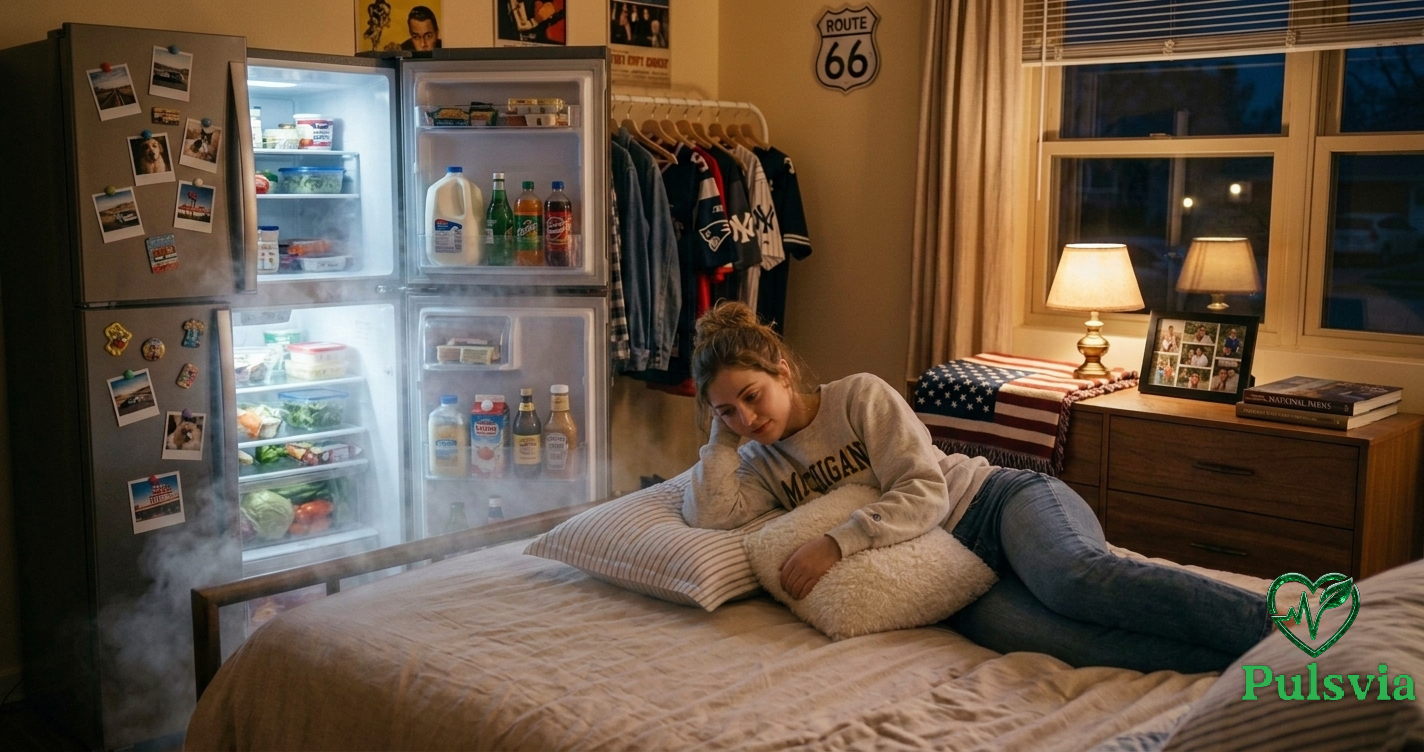
Hot weather can turn a normal bedtime into a restless night.
A warm bedroom, humid air, heavy bedding, and poor ventilation may make it harder to fall asleep or stay comfortable. Learning how to sleep in hot weather doesn’t require expensive gadgets — a few smart adjustments to your room, bedding, and routine can go a long way.
This guide walks through practical, budget-friendly steps for renters, homeowners, and anyone without central air conditioning.
Quick Note: This article is educational and general in nature. It’s not a substitute for personalized medical advice.
Key Takeaways
- Block heat early: Close blinds or curtains during the day to keep sunlight from warming your room.
- Time your ventilation: Open windows only when outdoor air is cooler than indoor air.
- Lighten your setup: Swap heavy blankets for breathable sheets and loose sleepwear.
- Use cooling tools safely: Fans and air conditioners each have benefits and limits — know which fits your space.
- Watch for warning signs: Confusion, fainting, or a very high body temperature can signal heat stroke, a medical emergency.
Quick Wins for Tonight
If you only have a few minutes before bed, start here:
- Close blinds or curtains during the hottest part of the day.
- Open windows only when outdoor air is cooler than indoor air.
- Switch to a lightweight sheet instead of heavy bedding.
- Use a fan to improve air circulation.
- Take a lukewarm shower before bed.
Tip: Closing blinds in the morning — before the sun hits the window — traps less heat than closing them mid-afternoon.
Why Hot Weather Makes Sleep Harder
Sleeping in hot weather means adjusting your room, airflow, bedding, and evening routine to reduce heat discomfort while keeping your sleep schedule consistent. Helpful steps may include blocking daytime sunlight, ventilating when outdoor air is cooler, using lightweight bedding, and choosing a safe cooling method for your space.
Your body naturally cools down a bit as bedtime approaches. This drop in core temperature is part of what signals your brain that it’s time to sleep [6].
A hot, humid bedroom can work against this process. Research has found a connection between higher temperatures and disrupted sleep, though the ideal room temperature varies from person to person and climate to climate [4][5].
Hot conditions may make it harder to fall asleep or may lead to more nighttime awakenings. This doesn’t mean heat causes insomnia for every person — comfort levels and sensitivity to warmth differ quite a bit.
1. Block Daytime Sunlight
Sunlight streaming through windows during the day can heat a room long before bedtime.
- Close curtains, blinds, or shutters during the hottest hours, typically late morning through mid-afternoon.
- Use blackout curtains if sunlight strongly heats your room, especially on south- or west-facing windows.
- Keep windows on the sunny side closed during the day.
- Open windows later once outdoor air becomes cooler than indoor air.
Important: The right approach depends on your climate, humidity, and air quality. Keeping every window shut all day isn’t necessary — or realistic — everywhere.
2. Ventilate at the Right Time
When outdoor air is cooler
Open windows in the evening, overnight, or early morning if the air outside is cooler and air quality is acceptable. Checking a local air quality index before opening windows can help, especially during wildfire season or high-pollen days.
Create safe airflow
A fan positioned near an open window can pull cooler air in or push warm air out. Make sure the setup is stable, doesn’t block an exit path, and doesn’t create a trip hazard in a dark room.
3. Use a Fan or Air Conditioner Wisely
Fan
A fan moves air around a room and helps sweat evaporate off your skin, which can make you feel cooler. It doesn’t necessarily lower the actual room temperature — it’s more about comfort than measurable cooling.
Air conditioner
An air conditioner can lower room temperature more directly. Following the manufacturer’s safety instructions and cleaning or replacing filters as recommended helps it run efficiently [1].
Avoid risky shortcuts
Warning: Skip DIY hacks like placing bowls of ice or water near electrical fans or outlets. This creates an electrical hazard and won’t meaningfully cool an entire room.
4. Switch to Lightweight Bedding
Heavy comforters trap body heat, which can leave you tossing and turning.
- Use a lightweight sheet instead of a thick comforter.
- Reduce the number of blanket layers.
- Choose loose, breathable sleepwear.
- Pick bedding that feels comfortable for your specific climate and humidity level.
Cotton, linen, and other breathable fabrics may feel more comfortable for some people, but personal preference and bedding construction matter too. There’s no single “best” fabric for everyone.
5. Choose Cooler Sleepwear
Loose-fitting sleepwear that doesn’t trap heat against your skin can make a noticeable difference. Some people also find it helpful to keep one leg or an arm outside the covers.
Did You Know? A small evaporative cooling effect happens whenever moist skin is exposed to moving air — that’s part of why a bit of skin exposure can feel cooling.
Sleeping without clothing works for some, but it’s a personal choice, not a requirement.
6. Try a Lukewarm Shower
A lukewarm shower before bed may help some people feel more comfortable heading into a hot night.
- Lukewarm water may feel more soothing than an abrupt cold shock, which can be jarring right before sleep.
- Dry off fully before getting into bed.
- Keep the routine calm rather than stimulating — this isn’t the time for an energizing cold plunge.
Evidence is limited on exactly how much a pre-bed shower improves sleep, but many people find it a helpful part of a wind-down routine.
7. Keep the Bedroom Free of Extra Heat
Small appliances add a bit of warmth to a room over time.
- Turn off bright lamps you don’t need.
- Shut down computers before bed instead of leaving them on standby.
- Unplug chargers and electronics that aren’t in use.
- Power down televisions or gaming equipment.
This isn’t the main fix for a hot room — sunlight, ventilation, humidity, and bedding matter more — but it’s an easy, no-cost step.
8. Sleep in the Coolest Safe Part of the Home
Heat tends to rise, so upper floors can run warmer in some homes.
If it’s practical and safe, consider:
- A lower-level bedroom.
- The coolest room in your home.
- A room that doesn’t get direct afternoon sun.
Warning: Avoid sleeping in garages, basements without proper ventilation, or outdoor spaces like balconies. These areas can carry risks related to air quality, flooding, security, or carbon monoxide exposure.
9. Stay Hydrated During the Day

Drink regularly during the day, especially in hot conditions, but avoid forcing large amounts of water right before bed — that just means more trips to the bathroom overnight.
Hydration needs vary based on age, activity level, health conditions, climate, and medications, so there’s no single water target that fits everyone.
Skip alcohol as a “cooling” strategy. It can disrupt sleep quality and may actually increase nighttime discomfort.
10. Adjust Evening Meals and Exercise
A few evening habits can support more comfortable sleep in the heat:
- Avoid a heavy meal right before bed.
- Finish intense exercise earlier in the day when possible.
- Choose a lighter dinner if heavy food leaves you feeling overheated or sluggish.
- Cut back on caffeine later in the afternoon and evening.
There’s no reliable “spicy food hack” or specific dish that cools the body down for sleep — evidence is limited for that kind of shortcut.
11. Keep Your Sleep Schedule Consistent
Hot weather can tempt people into staying up much later or sleeping at irregular times. Sticking to a fairly consistent bedtime and wake time — even during a heat wave — supports your body’s internal clock [10].
Building a steady sleep hygiene routine matters even more when the weather is working against you.
If you’re lying awake after 20 minutes or so, try getting up briefly, doing something quiet in dim light, and returning to bed once you feel sleepy. This approach is consistent with standard sleep hygiene guidance [7].
Cooling Options Comparison
| Option | Useful When | Main Limitation |
|---|---|---|
| Fan | You need air movement or a low-cost option | May not lower actual room temperature |
| Air conditioner | The room is genuinely too hot | Cost, noise, and upkeep |
| Open window | Outdoor air is cooler and air quality is acceptable | Outdoor noise, pollen, pollution, or security concerns |
| Closed curtains | Sunlight is heating the room during the day | Needs to pair with evening ventilation |
| Lightweight bedding | The bedding itself feels too warm | Won’t fix a room that’s simply too hot |
| Lower floor or cooler room | One part of the home stays naturally cooler | Not practical in every layout |
When to See a Doctor or Get Urgent Help
Speak with a doctor
Reach out to your primary care physician if sleep problems continue after the weather cools down, keep interfering with your daytime functioning, or come with symptoms like loud snoring, gasping during sleep, ongoing daytime sleepiness, or unexplained nighttime sweating. These can be signs worth checking, though this article doesn’t diagnose any specific condition.
Call 911 for suspected heat stroke
Heat stroke is a medical emergency. The CDC identifies confusion, altered mental status, and loss of consciousness as serious heat-stroke warning signs [2].
Warning — Call 911 immediately if you notice:
- Confusion or altered mental status
- Fainting or loss of consciousness
- Seizures
- A very high body temperature
- Hot skin combined with severe or rapidly worsening symptoms
Heat exhaustion can come before heat stroke and includes symptoms like heavy sweating, weakness, and nausea [9]. Moving to a cooler space and seeking medical attention quickly matters if symptoms don’t improve.
Summary
- Start with free fixes: Closing curtains, timing ventilation, and lightening your bedding cost nothing and can make a real difference.
- Match your cooling tool to your room: A fan supports airflow; an AC unit actually lowers temperature.
- Protect your routine: Keep a steady sleep and wake schedule even during a heat wave.
- Know the emergency signs: Confusion, fainting, or a very high body temperature call for 911, not home remedies.
- Check in with a doctor if hot-weather sleep troubles turn into an ongoing pattern.
FAQs
What is the best room temperature for sleeping in hot weather?
There’s no single temperature that works for everyone. A bedroom that feels comfortably cool, paired with decent airflow and lightweight bedding, tends to help many adults sleep more comfortably.
How can I sleep in hot weather without air conditioning?
Close curtains during the day, ventilate once outdoor air cools down, use a stable fan for airflow, lighten your bedding, wear loose sleepwear, and choose the coolest safe room in your home.
Is it safe to sleep with a fan on?
For many adults, a properly positioned fan works fine for airflow overnight. Keep it stable, away from water, and clear of walkways. People with allergies or respiratory sensitivities may want to consider dust and pollen exposure from moving air.
Does a fan cool the room?
Not exactly. A fan mainly moves air and helps sweat evaporate off your skin, which can make you feel cooler, but it typically doesn’t reduce the room’s actual temperature.
What should I wear to bed when it’s hot?
Loose, lightweight sleepwear that doesn’t trap heat tends to work well. Fabric choice comes down to personal comfort and your local climate.
Why do I wake up sweating at night?
A hot room, heavy bedding, humidity, alcohol, illness, medication, hormonal shifts, or other health factors can all play a role. If night sweats are persistent or unexplained, it’s worth talking with a healthcare professional.
References
- CDC: About Heat and Your Health
- CDC/NIOSH: Heat-Related Illnesses
- CDC: Heat-Related Illness
- NIH/PubMed: Ambient Heat and Sleep in a Warming Climate
- NIH/PMC: The Effects of High-Temperature Weather on Human Sleep
- NIH/PMC: The Temperature Dependence of Sleep
- Mayo Clinic: Sleep Tips
- Sleep Foundation: How to Sleep Better
- Cleveland Clinic: Heat Exhaustion
- American Academy of Sleep Medicine: Circadian Rhythm Practice Parameters
Educational Disclaimer
This article is for educational purposes only and is not medical advice. For personal care, talk to your primary care physician. Call 911 for emergencies.
Call 911 for suspected heat stroke, confusion, fainting, seizures, loss of consciousness, or rapidly worsening symptoms.