
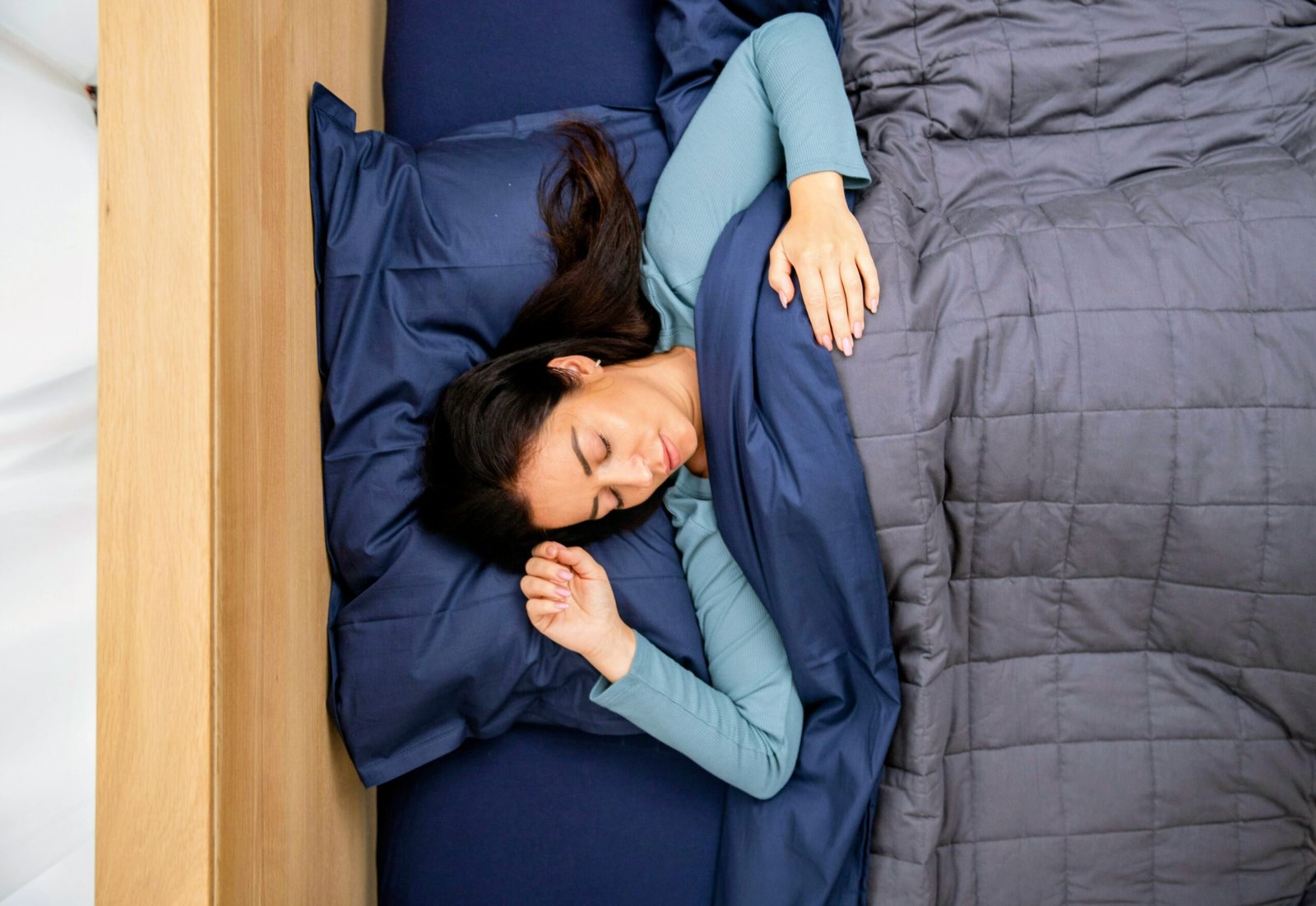
It’s 11:47 p.m. You’re exhausted. You’ve been staring at the ceiling for twenty minutes, and your brain has somehow decided this is the perfect time to replay an awkward conversation from 2019. Sound familiar?
If you’re searching for how to fall asleep fast, you’re not alone — and no, there’s no secret switch that knocks you out in ten seconds flat. What actually works is a short, repeatable wind-down sequence that lowers stimulation and eases your body toward rest. That’s what this guide covers, along with what to do when your mind won’t quit racing.
Key Takeaways
- No trick guarantees instant sleep — your body’s readiness depends on timing, stress, and light exposure.
- A short 10-minute wind-down can calm your body even on nights when your thoughts won’t settle.
- Leaving bed after 20 minutes of tossing keeps your brain from linking the bed with frustration.
- Steady wake times and morning daylight often make falling asleep easier the following night.
- Sleep trouble that drags on for weeks is worth mentioning to your primary care physician, not something to self-medicate.
How to Fall Asleep Fast
Here’s the honest truth: nothing guarantees sleep in sixty seconds. What can help is lowering stimulation before bed, using a short relaxation routine, keeping your room comfortable, and getting up if frustration builds instead of fighting to fall asleep.
There’s no magic switch
Sleep isn’t like flipping a light off. It depends on how long you’ve been awake, how much light you’ve had, your stress level, and what your bedroom feels like. A trick that works wonders for your coworker might do nothing for you — and that’s normal.
What actually helps tonight
- Dim the lights and step away from anything stimulating.
- Turn your clock away from view.
- Keep the room dark, quiet, and at a comfortable temperature.
- Try slow breathing or a simple muscle-relaxation exercise.
- Get up if you’re wide awake and getting frustrated.
- Head back to bed once you actually feel sleepy.
The National Heart, Lung, and Blood Institute (NHLBI) recommends keeping a regular sleep schedule, winding down before bed, and getting up for a quiet activity if you’re still awake after roughly 20 minutes [1][2].
Quick Wins
- Dim your lights about 30 minutes before you plan to sleep.
- Slide your phone face-down, out of arm’s reach.
- Keep a scrap of paper nearby for stray thoughts instead of chasing them mentally.
- Try one relaxation method at a time — don’t stack five new techniques in one night.
A 10-Minute Routine to Try Tonight
This isn’t a magic formula. It’s a sequence that gives your nervous system permission to slow down.
Minutes 1–2: Cut the noise. Dim the lights. Silence your phone. Step away from work emails, the news, or anything that gets your heart rate up.
Minutes 3–5: Loosen up. Unclench your jaw. Drop your shoulders. Let your hands, stomach, and legs go soft. A gentle progressive muscle relaxation pass works well here.
Minutes 6–8: Breathe slowly. Aim for a natural, unforced rhythm — nothing dramatic. Skip the breath-holding tricks that promise instant results; there’s no solid evidence any single breathing pattern guarantees sleep.
Minutes 9–10: Quiet your mind. Picture somewhere calm. Play something low-key in the background. Or just notice how your body feels, one part at a time.
Important: Don’t grade the routine after two minutes. Trying to force sleep tends to backfire — it just makes you more alert.
Can’t Sleep? Get Out of Bed
Why lying there makes it worse
Every minute you spend staring at the ceiling, frustrated, teaches your brain something unhelpful: that bed equals worry, not rest. Over time, that association sticks.
A better move
If you’ve been awake for about 20 minutes, or you’re starting to feel wound up:
- Get out of bed.
- Keep the lights low.
- Do something quiet and unstimulating.
- Read a few pages of something calm.
- Listen to low-volume audio.
- Only climb back in once you’re genuinely sleepy.
This isn’t just a gut-feeling suggestion — the NHLBI specifically backs leaving bed for a quiet activity rather than lying there fighting for sleep [2].
How to Fall Asleep Fast Naturally
Naturally usually means playing the long game — small, consistent habits rather than one clever hack.
Wake up at the same time, even on weekends. A steady wake time anchors your whole sleep-wake cycle, whether you feel like it or not.
Get outside earlier in the day. Natural daylight, especially in the morning, seems to help keep your internal clock on schedule.
Stay active during the day, and skip the late-afternoon nap. Movement and avoiding long naps build up the “sleep pressure” that makes bedtime feel easy instead of forced.
Set up your room for sleep, not scrolling. A dark, quiet, cool space matters more than people realize. The American Academy of Sleep Medicine (AASM) points to reduced light and noise as core pieces of a sleep-friendly environment [4]. Our guide to a sleep-friendly bedroom environment covers this in more detail.
Skip the nightcap. Alcohol might make you drowsy at first, but it tends to fragment sleep later in the night.
Rethink your caffeine cutoff. Some people can handle a 3 p.m. coffee. Others can’t touch caffeine after breakfast. Figure out your own line rather than following a one-size-fits-all rule.
How to Fall Asleep Fast Right Now
Stop checking the clock. Every glance just reminds you how little time is left, which makes falling asleep feel more urgent — and less likely.
Put the phone somewhere you can’t reach it. Scrolling, checking notifications, or Googling sleep symptoms at midnight rarely helps.
Pick something familiar and boring. A paper book, soft instrumental music, a slow body scan — repetitive, low-key activities work better than anything flashy.
Let go of the pressure to perform. Quiet rest still counts for something, even if sleep doesn’t arrive in the next five minutes. The goal is calming down, not winning a race.
How to Fall Asleep Fast With Anxiety
Get the worries out of your head and onto paper
| Worry | Can I fix this tonight? | Tomorrow’s first step |
|---|---|---|
| Work deadline | No | Write down the top priority |
| Money stress | No | Block time to review it |
| Upcoming appointment | No | Set a calendar reminder |
Relax your body before you argue with your thoughts
Slow breathing, a body scan, or progressive muscle relaxation tends to work better before you try to reason your way out of anxious thinking — not after.
Resist the 2 a.m. research spiral
Googling symptoms or drafting work emails at midnight will keep your brain lit up exactly when it needs to wind down.
When anxiety needs more than a bedtime routine
Persistent anxiety, panic symptoms, or sleep that’s disrupted night after night may call for actual support — not just another relaxation app. Our piece on how to calm anxiety at night digs into this further.
The National Center for Complementary and Integrative Health (NCCIH) notes that relaxation techniques — slow breathing, muscle relaxation, guided imagery — can help, though they’re not a guaranteed fix on their own [7].
The Military Sleep Method, Honestly Explained
You’ve probably seen this one floating around. Here’s the version most people describe:
- Relax your face — forehead, jaw, everything.
- Let your shoulders drop.
- Loosen your arms and hands, one side at a time.
- Exhale and relax your chest.
- Relax your legs, from your thighs down to your feet.
- Picture something calm and simple.
- If your mind wanders, gently bring it back.
The honest take: this is a solid relaxation sequence, not a scientifically proven two-minute sleep switch. Try it as one tool in your kit, not a guaranteed fix.
Not Tired at Bedtime? Here’s Why
Check if you’re going to bed too early. Lying there before your body’s actually ready just invites more tossing and turning.
Look at your nap habits. A late or long nap can eat into the sleepiness you’d otherwise have built up by bedtime.
Notice what your evening looks like. Bright screens, an intense workout, an argument, or a late coffee can all keep your system revved up longer than you’d expect.
Keep your wake time steady, even after a rough night. Sleeping in for hours to “catch up” often just pushes your schedule further off track.
Falling Asleep Fast With Jet Lag
Think in destination time. Adjusting your sleep, light exposure, and meals to match your new time zone — as soon as reasonably possible — tends to help your body catch up faster.
Don’t throw everything at the problem at once. Mixing alcohol, a new supplement, and a sleep medication in one desperate attempt to force sleep is more likely to backfire than help.
For more specific strategies, see our guide on how to sleep better with jet lag.
When Trouble Sleeping Sticks Around
Occasional bad nights happen to everyone. Stress, travel, a cold, noisy neighbors — plenty of things can throw off a night or two.
Weeks of trouble is a different story. If falling asleep is a nightly struggle and it’s bleeding into your daytime energy or mood, that’s worth bringing to a healthcare professional.
Resist the urge to self-treat with a supplement cocktail. Melatonin, sedating antihistamines, or prescription sleep aids taken without guidance can cause more problems than they solve.
The NCCIH points out that cognitive behavioral therapy for insomnia is the strongly recommended approach for chronic insomnia — relaxation techniques can support that, but they’re not a replacement for it [6].
Habits That Work Against You
A few patterns tend to sabotage sleep more than people realize:
- Forcing sleep instead of letting it happen
- Checking the clock over and over
- Scrolling social media in bed
- Using alcohol as a sleep aid
- Napping too late in the day
- Drinking caffeine past mid-afternoon
- Doing stressful work from bed
- Trying several new sleep supplements at once
When to See a Doctor
Bring it up with your primary care physician if:
- Sleep trouble has lasted several weeks.
- Daytime sleepiness is affecting work, driving, or basic safety.
- You notice loud snoring, gasping, or breathing pauses at night — our guide to loud snoring and sleep apnea warning signs explains what to watch for.
- You wake up with severe headaches or a choking feeling.
- Anxiety, panic, or low mood are showing up regularly.
- You’re relying on medication or alcohol just to fall asleep.
- You’ve caught yourself dozing off unintentionally during the day.
When to Seek Urgent Help (Call 911)
Call 911 right away for:
- Severe trouble breathing
- Chest pain
- Fainting
- Sudden confusion, weakness, facial drooping, or trouble speaking
- Any situation that feels like a medical emergency
If you’re having thoughts of suicide or you’re in an emotional crisis, call or text 988 to reach the 988 Suicide & Crisis Lifeline. Help is available any time, day or night.
Summary
- Falling asleep fast usually comes down to lowering stimulation and following a short, repeatable wind-down — not a single clever trick.
- Getting out of bed after 20 minutes of frustration protects your bed from becoming a source of stress.
- Steady wake times, morning light, and a comfortable bedroom pay off more over weeks than any single-night hack.
- Alcohol, late caffeine, and stacked supplements tend to backfire rather than help.
- Sleep trouble that drags on for weeks deserves a real conversation with a doctor, not more DIY fixes.
FAQs
How can I fall asleep fast right now?
Dim the lights, put your phone out of reach, relax your body with slow breathing, and get up if you’re still awake and frustrated after about 20 minutes.
What’s the fastest way to fall asleep?
There isn’t one universal fastest way — but a calm wind-down that lowers physical tension and stimulation tends to help most people, even if results vary night to night.
How can I fall asleep naturally?
Keep your wake time consistent, get daylight during the day, skip late caffeine and alcohol, and make your bedroom dark and quiet. The AASM backs these basics for better sleep [4].
What’s the military sleep method, exactly?
It’s a relaxation sequence — relax your face, shoulders, arms, chest, and legs, then picture something calm. It’s a useful wind-down tool, not a scientifically proven instant sleep switch.
Why can’t I fall asleep even when I’m exhausted?
You might be going to bed too early, napping too late, or winding down with screens and stress instead of quiet activities. Worth a second look at your evening routine.
How do I fall asleep when my mind won’t stop racing?
Try writing down your worries and tomorrow’s first step before bed. Pair that with gentle body relaxation, and get up briefly if your thoughts keep looping.
Does slow breathing actually help you fall asleep?
It can support relaxation for a lot of people, though it’s not guaranteed to work every time. Keep it gentle — skip forced breath-holding.
What should I do if I’m still awake after 20 minutes?
Get out of bed, keep the lights dim, and do something quiet like reading until you actually feel sleepy — then head back.
Can anxiety really make it harder to fall asleep?
Yes. Racing thoughts and physical tension from anxiety commonly delay sleep. A worry list plus body relaxation can help, but ongoing anxiety deserves real support.
When should I actually see a doctor about this?
If trouble falling asleep sticks around for weeks, messes with your daytime functioning, or shows up alongside snoring or breathing pauses, it’s time for a doctor’s visit.
References
- NHLBI: Healthy Sleep Habits
- NHLBI: Your Guide to Healthy Sleep
- NHLBI: In Brief—Your Guide to Healthy Sleep
- AASM: How to Sleep Better
- AASM: Behavioral and Psychological Treatments for Insomnia
- NCCIH: Mind and Body Practices for Sleep Disorders
- NCCIH: Relaxation Techniques
- Mayo Clinic Health System: Get Your Zzzzs
- MedlinePlus: Insomnia
- NHS: Insomnia
Educational disclaimer: This article is for educational purposes only and is not medical advice. It does not diagnose or treat insomnia, anxiety disorders, sleep apnea, depression, or any other condition. For personal care, talk to your primary care physician. Call 911 for emergencies.