
By Pulsvia Team

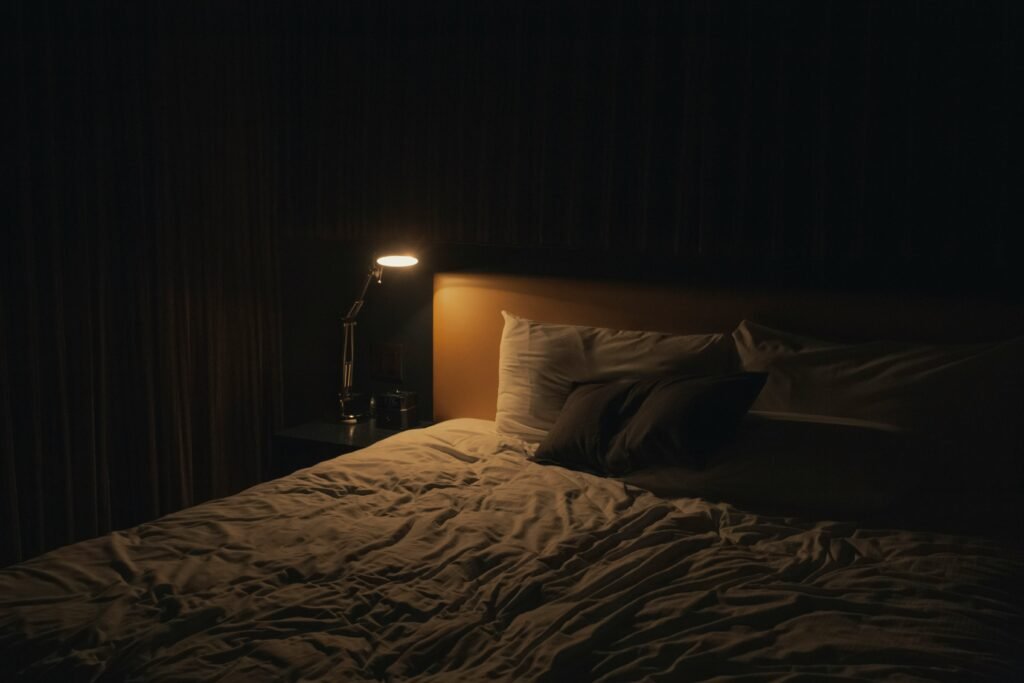
Unsplash image (@nublson)
Working overnight throws your body’s natural clock out of sync, and building a night shift sleep schedule that actually works can feel like trial and error.
Whether you’re a nurse, a security guard, a driver, or someone new to overnight hours, the challenge is the same: getting real, restorative sleep during daylight while staying safe and alert on the job.
This guide breaks down practical, realistic steps — from light timing to caffeine cutoffs to what to do on your days off.
Key Takeaways
- Protect one main sleep block and treat it as non-negotiable, even on busy days.
- Match your approach to your shift type — permanent night work differs from rotating schedules.
- Control light exposure to help your body know when it’s time to sleep or stay alert.
- Time caffeine and naps carefully so they support sleep instead of undermining it.
- Never drive drowsy — arrange a safe alternative if you’re struggling to stay awake.
Quick Wins for Your Next Night Shift
A night shift sleep schedule is a planned routine that protects enough sleep after overnight work while coordinating light, caffeine, naps, meals, and days off. The most effective schedule depends on whether your shifts are permanent, rotating, or irregular, so a consistent anchor sleep period helps whenever it’s practical [5].
Protect the main sleep block
Choose a realistic sleep window after work and guard it like an important meeting. This becomes your anchor for the whole schedule.
Make daytime sleep feel like nighttime
- Use blackout curtains or an eye mask.
- Reduce noise with earplugs, white noise, or a fan.
- Silence phone notifications.
- Ask household members not to disturb your sleep period.
Stop caffeine early enough
Use caffeine near the start of your shift if you need it, then taper off before your planned sleep period. The right cutoff time depends on your own sensitivity and how long your shift runs [1].
Choose Your Shift Pattern
Permanent night shift
If your schedule stays the same night after night, keeping a similar sleep window on workdays and days off may make adjustment easier over time [2].
Rotating night shifts
Rotating schedules are trickier. When your shift changes every few days, your body doesn’t get the same chance to settle into one rhythm — a flexible approach that protects sleep during each transition tends to work better [3].
Evening shifts versus overnight shifts
Someone finishing at 1 a.m. faces a different challenge than someone finishing at 7 a.m. An earlier finish often allows a more typical bedtime, while a sunrise finish usually calls for a stronger daytime-sleep strategy.
Example Night Shift Sleep Schedules
These are starting points, not strict rules. Adjust based on your commute, family needs, and health.
| Work Pattern | Example Main Sleep | Optional Nap | Key Priority |
|---|---|---|---|
| Permanent 11 p.m.–7 a.m. shift | 8:30 a.m.–4:30 p.m. | Early evening if needed | Keep the main sleep window consistent |
| Rotating night shift | Sleep soon after getting home | Pre-shift nap if needed | Protect sleep during schedule changes |
| Evening shift ending at 1 a.m. | 2:30 a.m.–10:30 a.m. | Usually optional | Keep a stable wake time |
| Night shift with daytime responsibilities | Main sleep after work | Planned second sleep period | Protect a consistent anchor block |
Tip: Pick the row closest to your real schedule, then tweak the timing by 30-minute increments until it fits your life.
Daylight and Light Management
Use light during the first part of the shift
Bright light in the workplace may support alertness for some workers, depending on the setting and task demands [2].
Reduce bright light after work
Morning sunlight on the drive home can make it harder for some people to wind down for daytime sleep. Sunglasses may help during that commute, but only when it’s safe to wear them — never compromise visibility while driving.
Keep the bedroom dark
Blackout curtains, an eye mask, or both can block daylight that sneaks into the room.
Did You Know? Shift workers may sleep fewer hours overall because daytime sleep can be shorter or more easily interrupted than nighttime sleep [7].
Caffeine, Meals, and Naps
Time caffeine strategically
Caffeine isn’t a fatigue treatment — it’s a timing tool. Using it late in your shift can interfere with the sleep you need once you’re home [1].
Eat a lighter meal before sleep if needed
A heavy meal right before bed may feel uncomfortable for some people. There’s no single food rule that works for everyone — go with what settles well for you.
Use a short pre-shift nap carefully
A planned nap before work may help some people feel sharper. Long or poorly timed naps can backfire, though, leaving you groggy instead of refreshed [6].
Make Daytime Sleep Easier
Control noise
Earplugs, white noise machines, or a fan can mask daytime household or street sounds.
Set household boundaries
Let family members, roommates, or neighbors know your protected sleep hours and ask them to respect that window.
Keep the bedroom cool and comfortable
A cooler room can make daytime sleep more comfortable, especially during warmer months. For more detail, see our guide on sleeping in hot weather.
What to Do on Days Off
Permanent night workers
Keeping a broadly consistent schedule — even on days off — may reduce the repeated adjustment that comes with swinging back and forth [4].
Rotating workers
A completely fixed schedule usually isn’t realistic here. A shorter transition sleep period or a planned nap can be a more practical middle ground [8].
Social plans and family time
You don’t need to avoid all daytime activities. Planning key sleep blocks around important events — rather than skipping sleep entirely — tends to work better long term.
When You Feel Sleepy at Work
Plan breaks and movement
Use workplace-approved breaks, short walks, hydration, and light exposure where it’s appropriate for your job.
Warning: Never drive or operate machinery when you’re struggling to stay awake. Arrange a safe ride, take a rest break, or use an approved workplace fatigue procedure instead.
When to See a Doctor
Talk with your primary care physician if you notice:
- Persistent insomnia despite schedule changes.
- Excessive sleepiness that doesn’t improve.
- Repeated near-misses while driving or working.
- Loud snoring or gasping during sleep.
- Symptoms that continue even after adjusting your environment and routine.
This article doesn’t diagnose shift-work disorder or any other sleep condition — a clinician can help sort out what’s going on.
Urgent Help
Call 911 for a medical emergency, including chest pain, severe breathing difficulty, fainting, sudden neurological symptoms, or an accident caused by severe drowsiness.
A 7-Day Night Shift Sleep Reset
Try this simple checklist over one week:
- Pick an anchor sleep block.
- Darken and quiet the bedroom.
- Set a caffeine cutoff time.
- Prepare a pre-shift meal that sits well with you.
- Test a short pre-shift nap only if it seems useful.
- Record your sleep and alertness for seven days.
- Adjust one variable at a time based on what you notice.
Important: Do not use prescription sleep medication or supplements as a self-treatment plan. Speak with a clinician first.
Summary
- Start with one anchor sleep block and build the rest of your routine around it.
- Match your strategy to your shift type — permanent and rotating schedules need different approaches.
- Track your progress for a week before making big changes.
- Treat drowsy driving as a safety emergency, not a minor inconvenience.
- Loop in a doctor if sleep problems or excessive sleepiness stick around despite your best efforts.
FAQs
What is the best sleep schedule for night shift workers?
There’s no single best schedule — it depends on whether your shifts are permanent or rotating, plus your commute and family life. A consistent anchor sleep period, protected as much as possible, tends to work better than an irregular approach [5].
Should I sleep immediately after a night shift?
For many permanent night shift workers, sleeping soon after getting home can work well. Some people prefer a short delay to wind down first — individual responses vary, so test what fits you.
How do I sleep during the day after working all night?
Block out light with blackout curtains or an eye mask, reduce noise with earplugs or white noise, keep the room cool, and ask household members to protect your sleep window.
Should night shift workers keep the same schedule on days off?
Permanent night workers may benefit from keeping a broadly similar schedule on days off to avoid repeated adjustment. Rotating workers often need more flexibility, since a fixed schedule isn’t always realistic [4][8].
How long should a nap be before a night shift?
A short, planned nap may help some people feel more alert, but there’s no universal length that works for everyone. Long or poorly timed naps can leave you groggier instead of sharper, so testing shorter naps first is a reasonable approach [6].
References
- CDC/NIOSH: Coping With Shift Work and Sleep
- AASM: Circadian Adaptation to Shift Work
- AASM: Coping With Shift Work
- AASM: Your Sleep Schedule
- Sleep Foundation: Best Sleep Schedule for Night Shift Workers
- NIH/PMC: Sleep Tips for Shift Workers
- CDC/NIOSH: Work Hours and Fatigue Training
- NHS: Night Shift and Sleep Tips
- Mayo Clinic: Sleep Tips
- Cleveland Clinic: Sleep Hygiene
Educational Disclaimer
This article provides general sleep information and does not diagnose or treat shift-work disorder, insomnia, sleep apnea, or any other medical condition. Speak with a qualified healthcare professional about persistent sleep problems, severe daytime sleepiness, or symptoms that affect safety.
Safety note: Never drive or operate machinery when you are struggling to stay awake. Seek a safe alternative such as a ride, rest break, or approved workplace fatigue procedure.
For personal care, talk to your primary care physician. Call 911 for emergencies.